How to Start a Profitable Prefab Business Building in Your Community?
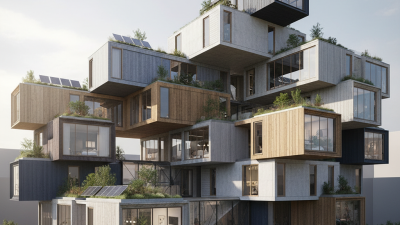
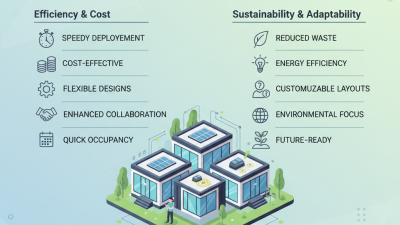
Starting a profitable prefab business building in your community can be a rewarding venture. Prefab structures are gaining popularity for their efficiency and cost-effectiveness. Many people are looking for quick solutions to their housing and workspace needs. A prefab business can fill this gap effectively.
However, entering this market requires careful planning. It is not as simple as just building and selling. Understanding local regulations and preferences is crucial. You might face challenges such as sourcing materials and skilled labor. These hurdles need to be addressed seriously to succeed.
Consider the competition in your area. Analyze what others are offering and find your unique angle. Do you need to focus on sustainable materials or innovative designs? Reflecting on these questions can shape your strategy. Ultimately, think about how you can best serve your community’s needs through your prefab business building. Embrace the learning process and adapt as necessary.
Identifying Market Needs for Prefabricated Buildings in Your Area
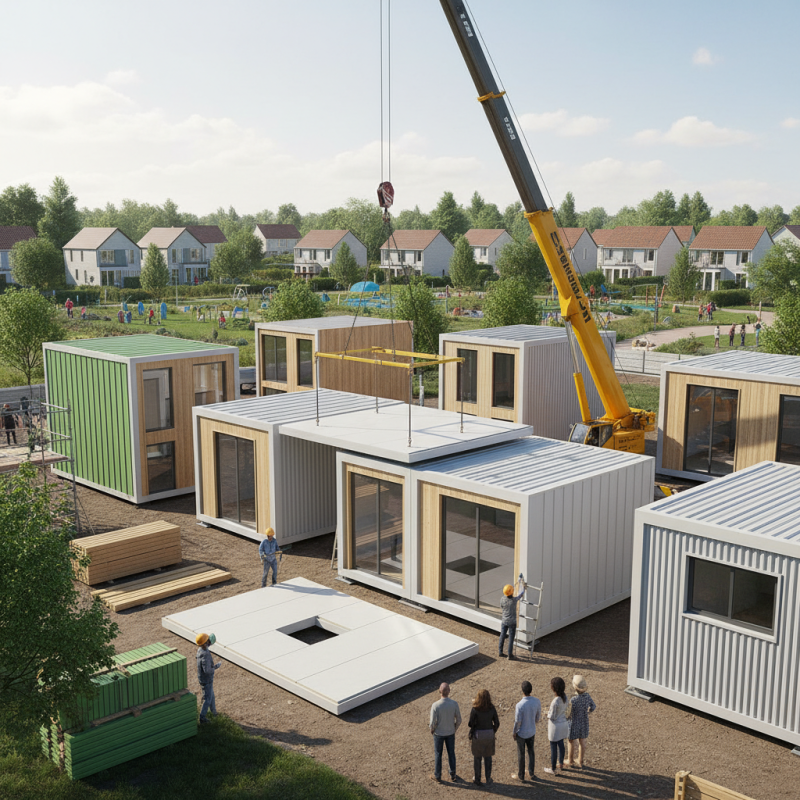
Identifying market needs is crucial for launching a prefab business. Start by researching your community. What buildings are in high demand? Use surveys or direct interviews to gather insights. Local housing shortages or the need for schools can guide your strategy.
When assessing your area, consider demographics. Families may prefer affordable housing. Meanwhile, businesses might need quick and eco-friendly solutions. Take note of local regulations. They can affect the types of prefab structures allowed.
**Tip:** Connect with local real estate agents. They understand market trends. Their input can shape your offerings effectively.
Analyze competitors too. Learn from their successes and failures. What are they missing? This gap can be your opportunity. Always remain adaptable. Market needs can change quickly.
**Tip:** Hold community forums. Engage directly with potential customers. Their feedback will provide invaluable insights and foster community support.
Keep an eye on seasonal demands. Interest in prefab buildings can fluctuate. Research what factors influence these trends and adjust your business plan accordingly. Be ready to pivot when necessary.
Researching Local Regulations and Codes for Prefab Construction
Starting a prefab business requires careful planning. Researching local regulations is key. Every community has its own building codes and zoning laws. Ignoring these can lead to delays and costs. Check with local authorities. Obtain necessary permits before starting any project. This will save you time and headaches later.
Tips: Create a checklist of required documents. Engage with local real estate agencies to understand land use. Networking can also provide insights into regional preferences.
Building codes may dictate materials and designs. Understand energy efficiency standards as well. Sometimes, these can affect your business model. You might find that some prefab designs do not meet local standards. Adjust your plans accordingly. Flexibility can be an asset in this process.
Tip: Attend local planning meetings. This will keep you updated on current trends and future regulations. Surround yourself with knowledgeable contacts. Their experience can help navigate the complexities of prefab construction.
How to Start a Profitable Prefab Business Building in Your Community?
| Regulation/Code |
Description |
Local Authority |
Contact Information |
| Zoning Regulations |
Rules governing land use and property development. |
City Planning Department |
(555) 012-3456 |
| Building Codes |
Standards for construction, fire safety, and structural integrity. |
Local Building Authority |
(555) 987-6543 |
| Environmental Regulations |
Requirements to protect the environment and manage resources. |
Environmental Protection Agency |
(555) 345-6789 |
| Permitting Process |
Steps required to apply for necessary permits. |
Permit Office |
(555) 765-4321 |
Developing a Business Plan for Your Prefab Building Venture
Developing a solid business plan is crucial for your prefab building venture. Start by understanding the market. According to recent reports, the prefab construction market is expected to grow by 6.5% annually, reaching $157 billion by 2026. This growth indicates a rising demand for affordable housing solutions. Research local construction trends. Identify gaps where prefab buildings can fill needs, whether for residences or commercial spaces.
Next, financial planning is essential. Estimate your initial investment. A typical prefab startup might need between $50,000 to $200,000, depending on your scale. Outline expected costs like materials, labor, and permits. Analyze your pricing strategy. According to industry data, competitive pricing can attract more clients. However, ensure that your prices also reflect quality and sustainability. Inconsistent pricing might confuse your target market. Keep your financial projections realistic.
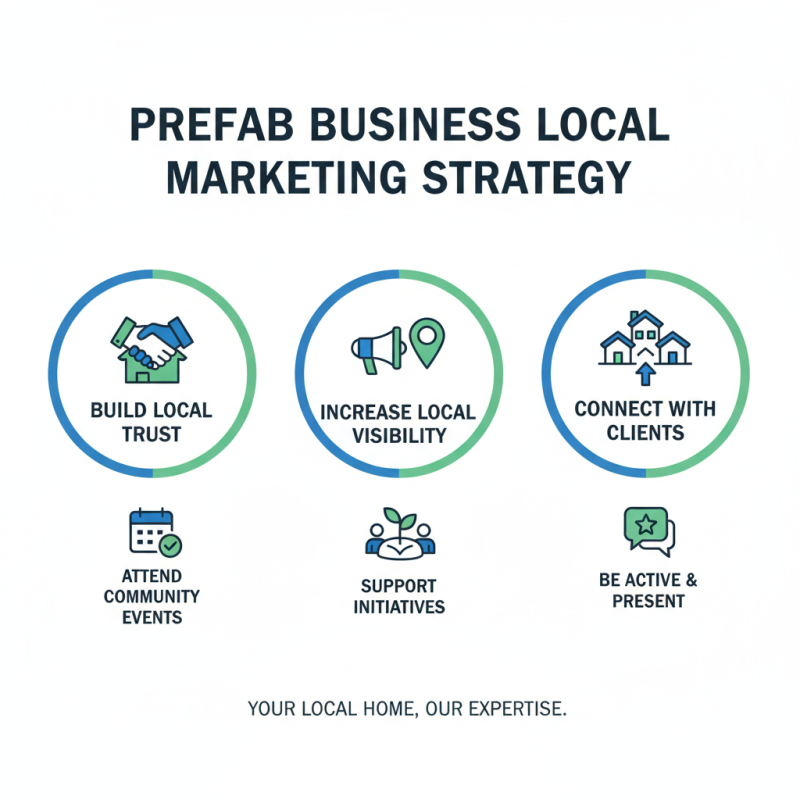
Marketing strategies cannot be overlooked. Building a local brand presence is vital. Utilize social media and networking in your area. Anecdotal evidence shows that community engagement boosts credibility. Word of mouth can drive sales. That said, consider potential challenges. The perception of prefab homes can be mixed. Some view them as lower quality. Address these concerns through education and showcasing successful projects. This approach might require patience but can lead to long-term success.
Establishing Partnerships with Suppliers and Contractors
Establishing partnerships with suppliers and contractors is crucial for a prefab business. Finding reliable suppliers can be challenging. You need quality materials that fit your budget. Attend local trade shows to meet potential partners. Building a network within your community can open doors to new opportunities.
Once you identify suppliers, communicate clearly about your expectations. Discuss deadlines and quality standards. Regular meetings can help reinforce this relationship. Misunderstandings may arise, so address them promptly. You want to avoid delays in your projects due to supply issues.
Don’t forget about contractors. They are essential to your business model. Some may have experience with prefab buildings, while others might not. Choose contractors who show a willingness to adapt and learn. A partnership may require effort and adjustments from both sides. Stay flexible and be prepared to reflect on your approach.
Sales Growth of Prefabricated Structures Over the Years