
What Is a Modern Walk In Wardrobe?

A modern walk-in wardrobe is more than an attractive room filled with shelves. It is a carefully planned storage system that supports daily routines, protects clothing, and makes dressing feel less rushed. Interior designer and closet specialist Lisa Adams captures this principle clearly: “A closet should be designed around the way you live.”

That idea sounds simple. It is not always easy.

A successful modern walk-in wardrobe begins with real habits. Do you fold knitwear, hang most shirts, or store shoes in boxes? The answers determine shelf heights, hanging zones, drawers, and lighting. Adjustable shelving can accommodate changing needs. Full-height hanging rails use vertical space effectively. Soft-close drawers protect delicate items and reduce unnecessary noise.

Materials matter too. Matte finishes can hide fingerprints, while warm wood tones create a calmer atmosphere. Motion-activated LED lighting should illuminate corners, not only the centre of the room. A narrow bench, full-length mirror, and clear walkway can improve the experience considerably.

Still, perfection is not the goal. A highly polished wardrobe may fail if it ignores clutter, laundry habits, or future changes. This is where professional planning becomes valuable. Designers can assess circulation, storage capacity, ventilation, and accessibility before installation begins.

The best modern walk-in wardrobe feels personal, practical, and quietly dependable. It should make everyday choices easier. Sometimes, that means leaving a little empty space.
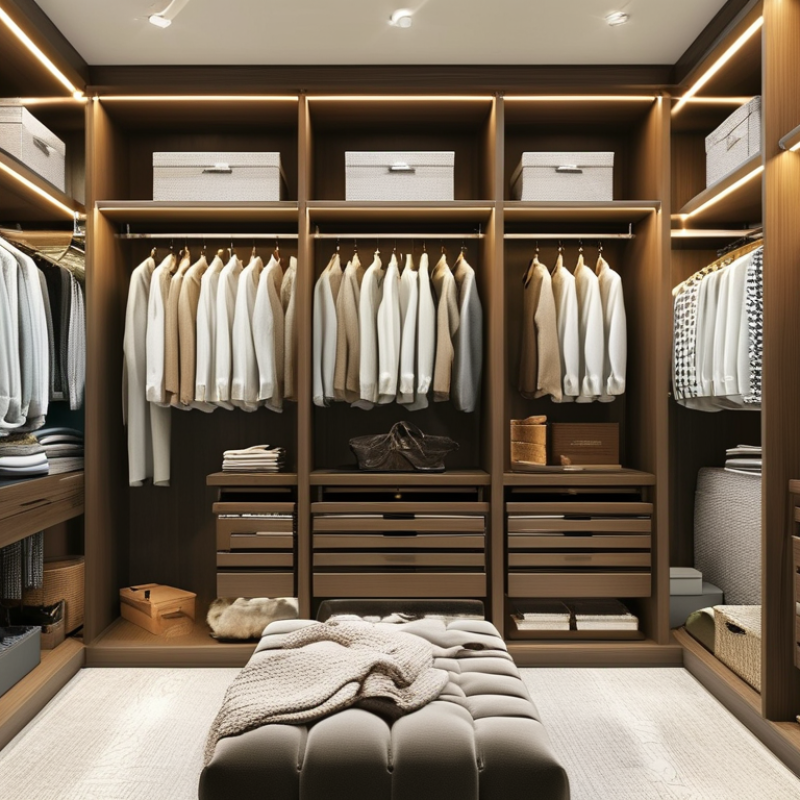
What Is a Modern Walk In Wardrobe?

Definition and Core Features of a Modern Walk-In Wardrobe

What Is a Modern Walk In Wardrobe?

A modern walk-in wardrobe is a dedicated dressing space with organized storage, clear movement, and practical lighting. It is more than a room filled with shelves. The layout should support daily routines, from choosing clothes to storing shoes and accessories. In practice, a comfortable walkway often needs about 90 centimetres of clear space. This allows drawers and doors to open without blocking movement.

Core features include adjustable shelving, hanging rails at different heights, and full-length storage for coats or dresses. Drawers help protect smaller items from dust and visual clutter. Soft, even lighting improves colour accuracy when selecting clothes. Ventilation also matters, especially in enclosed rooms where humidity may affect fabrics. Durable surfaces are useful, but they should still feel comfortable and easy to clean.

A modern design should respond to the user, not follow a fixed template. Someone with many folded garments may need deeper shelving, while another person may prefer open hanging space. I have found that overly ambitious layouts can become awkward in real use. A narrow passage feels frustrating when several drawers are open. That detail is easy to miss during planning. Materials, lighting controls, and storage heights should also support accessibility and future changes. Even a small bench or mirror can make the room feel more useful. The best solution is not always the most expensive one.

What Is a Modern Walk-In Wardrobe?

A modern walk-in wardrobe is a dedicated dressing space that combines organized storage, comfortable circulation, and practical access to clothing and accessories.

The chart shows commonly used planning dimensions in centimeters. A clear walkway of around 90 cm is generally suitable for one person, while wider circulation is more comfortable in larger or two-sided wardrobe layouts. Storage depths are based on typical clothing, drawer, and shoe requirements.

Essential Components and Space Planning Principles

A modern walk-in wardrobe works best as a planned room, not an oversized cupboard. Its essential components include hanging rails, adjustable shelving, drawers, mirrors, seating, and effective lighting. Full-height hanging zones suit coats and dresses, while double rails improve capacity for shirts and trousers. Drawers should sit at a comfortable waist height, usually between 70 and 110 centimetres from the floor. Open shelves make folded clothing visible, but they can quickly look untidy. A small bench or island adds useful space for dressing and sorting clothes.

Space planning begins with movement. Allow at least 90 centimetres of clear walking space between storage runs. Wider aisles feel better when two people use the room together. Keep daily clothing between eye and shoulder level. Place less-used luggage or seasonal items higher up.

Mirrors work best near natural light, although glare can become annoying. Layered lighting helps: ceiling fittings provide general brightness, while vertical lights reduce shadows around the face. Motion sensors may improve convenience, but manual controls remain useful when the room is occupied for longer periods.

Storage should reflect real habits, not an imagined perfect lifestyle. I once planned generous shoe shelving, then noticed the owner mostly wore the same four pairs. That space needed drawers instead. A well-planned wardrobe should also include ventilation, durable surfaces, and easy-clean flooring.

Perhaps not perfect. It should still make dressing calmer and more efficient.

Storage Systems, Materials, Lighting, and Smart Features

What Is a Modern Walk In Wardrobe?

A modern walk-in wardrobe combines storage systems, durable materials, layered lighting, and practical smart features. In my experience, adjustable shelving works better than fixed compartments. Clothes change, and storage should change with them. Include double hanging rails for shirts and trousers. Use deeper shelves for folded knitwear. Drawers with soft-close runners protect delicate items and reduce noise. A narrow pull-out section can hold belts, scarves, or watches. Small details matter.

Materials should suit daily use, not only photographs. Moisture-resistant panels are useful near bathrooms, while wood veneer can add warmth to a plain room. Glass doors make contents visible, but they also show fingerprints quickly. That is easy to underestimate. Lighting needs three layers: ceiling illumination, shelf lighting, and a softer mirror light. Choose high colour-rendering lamps, so clothing colours look more accurate. Motion sensors are convenient, although they may activate when someone walks past. Smart lighting and inventory sensors can help, but reliable manual controls remain essential.

Tips: Leave a clear walkway of about 90 centimetres. Test drawer heights before installation. Place everyday shoes between waist and knee level. Use warm-neutral lighting for comfort, then add brighter task lighting near the mirror. Ask a qualified installer to check wall strength and electrical safety. I would also leave some empty space. A wardrobe filled completely becomes difficult to use.

How to Design a Walk-In Wardrobe for Different Needs

What Is a Modern Walk In Wardrobe?

A modern walk-in wardrobe should fit daily habits, not merely display expensive finishes. Measure the room, door swing, ceiling height, and walking routes before choosing storage. In practice, a 90-centimetre walkway feels comfortable for most users. More space helps when two people dress together. Less space can feel frustrating.

Design the storage around real needs. A professional may need shallow shelves for folded shirts, drawers for documents, and strong lighting near a mirror. A family might need lower rails for children and labelled baskets for quick access.

Someone with limited mobility benefits from pull-down rails, seated dressing space, and handles that are easy to grip. Keep frequently used items between waist and shoulder height. Store seasonal clothing higher, but leave safe access.

Materials also affect reliability. Moisture-resistant panels help in humid rooms, while soft-close drawers reduce noise at night. Use bright, even lighting, and avoid shadows inside deep corners. A small ventilation gap can protect clothing from stale air. Check electrical work and construction changes against local requirements. I once planned too many open shelves, assuming they would improve visibility. They quickly collected dust. A balanced mix of doors, drawers, and open sections worked better. Perfect design is rarely the first design.

Maintenance, Organization, and Long-Term Usability

What Is a Modern Walk In Wardrobe?

Maintenance, Organization, and Long-Term Usability

A modern walk-in wardrobe stays useful when maintenance is planned, not postponed. In my storage consultations, dust usually gathers on shelf edges, hinges, and floor-level baskets. A soft brush and slightly damp cloth remove it without damaging common finishes. Avoid soaking panels. Keep the room ventilated, especially after cleaning or during humid weather. Check hinges, drawer runners, and hanging rails every few months. Small adjustments can prevent uneven doors and overloaded fittings.

Organization should follow daily behavior, not an idealized showroom layout. Place frequently worn items between waist and shoulder height. Use lower zones for shoes, folded knitwear, or seasonal storage boxes. Leave a little empty space. It makes inspection easier and reduces careless stacking. Group clothing by use, then by type or color if that helps retrieval. Clear labels help shared households, although labels can become outdated. I have learned that a perfect system often fails when it takes too many steps. That is worth questioning.

Long-term usability depends on adaptable dimensions and honest capacity planning. Do not fill every rail to its advertised limit. Fabric needs breathing room, and heavier garments need stronger support. Review the wardrobe when seasons change. Remove damaged items, repair loose hardware, and measure growing storage needs. Keep a simple maintenance record with dates and observed problems. If mold, persistent dampness, or structural movement appears, consult a qualified professional promptly. A beautiful wardrobe is not automatically a durable one.

What Is a Modern Walk In Wardrobe? - Maintenance, Organization, and Long-Term Usability

Area Recommended Standard Practical Action Suggested Frequency Long-Term Usability Benefit
Clothing Zoning Separate daily wear, formalwear, seasonal items, and accessories. Assign clearly labeled zones and keep frequently used garments at eye level. Review monthly Reduces search time and prevents unused storage areas from becoming cluttered.
Hanging Space Use separate hanging levels for short garments, long garments, and folded items. Leave enough clearance for garments to hang without dragging or being compressed. Check every 3–6 months Protects garment shape and makes future storage changes easier.
Shelving Keep shelves accessible and avoid excessive stacking. Store heavier items on lower shelves and use dividers for smaller folded garments. Reorganize seasonally Improves stability, visibility, and safe access to stored items.
Drawers Use drawers for smaller items that benefit from dust protection. Avoid overfilling and keep drawer contents below the internal side walls. Inspect every 3 months Reduces strain on runners and maintains smooth operation.
Footwear Storage Allow airflow and keep shoes separated by type and frequency of use. Remove dirt before storage and avoid placing damp footwear in enclosed compartments. Clean monthly; air after use Helps limit odors, moisture damage, and premature material wear.
Lighting Provide even illumination without creating excessive heat. Use energy-efficient lighting and keep fixtures unobstructed. Test every 6 months Improves visibility while reducing energy use and heat exposure.
Ventilation Maintain steady air movement and avoid blocking vents. Keep a small gap between stored items and exterior walls where condensation may occur. Check monthly Reduces the risk of musty odors, condensation, and mold growth.
Humidity Control Keep the room dry and stable rather than exposing clothing to repeated moisture changes. Address leaks promptly and use a hygrometer to monitor unusual moisture levels. Monitor weekly in humid periods Protects fabrics, wood-based panels, metal fittings, and leather goods.
Surface Cleaning Use gentle, material-appropriate cleaning methods. Dust with a soft, dry cloth and wipe spills promptly with a lightly damp cloth. Dust weekly; deep clean quarterly Prevents buildup and reduces staining or surface deterioration.
Hardware Inspection Doors, hinges, handles, rails, and drawer runners should move smoothly. Tighten loose fasteners and replace damaged parts before they affect surrounding components. Every 6–12 months Prevents small mechanical problems from becoming costly repairs.
Decluttering Retain items that are used, needed, or intentionally stored. Remove damaged, unused, or duplicate items and keep an accessible donation or repair area. Seasonally Preserves usable capacity and prevents storage systems from becoming overloaded.
Adaptability Use adjustable shelves, movable rails, and modular storage where possible. Review the layout when household needs, clothing types, or accessibility requirements change. Review annually Extends the wardrobe’s useful life without requiring a complete redesign.
TOP